

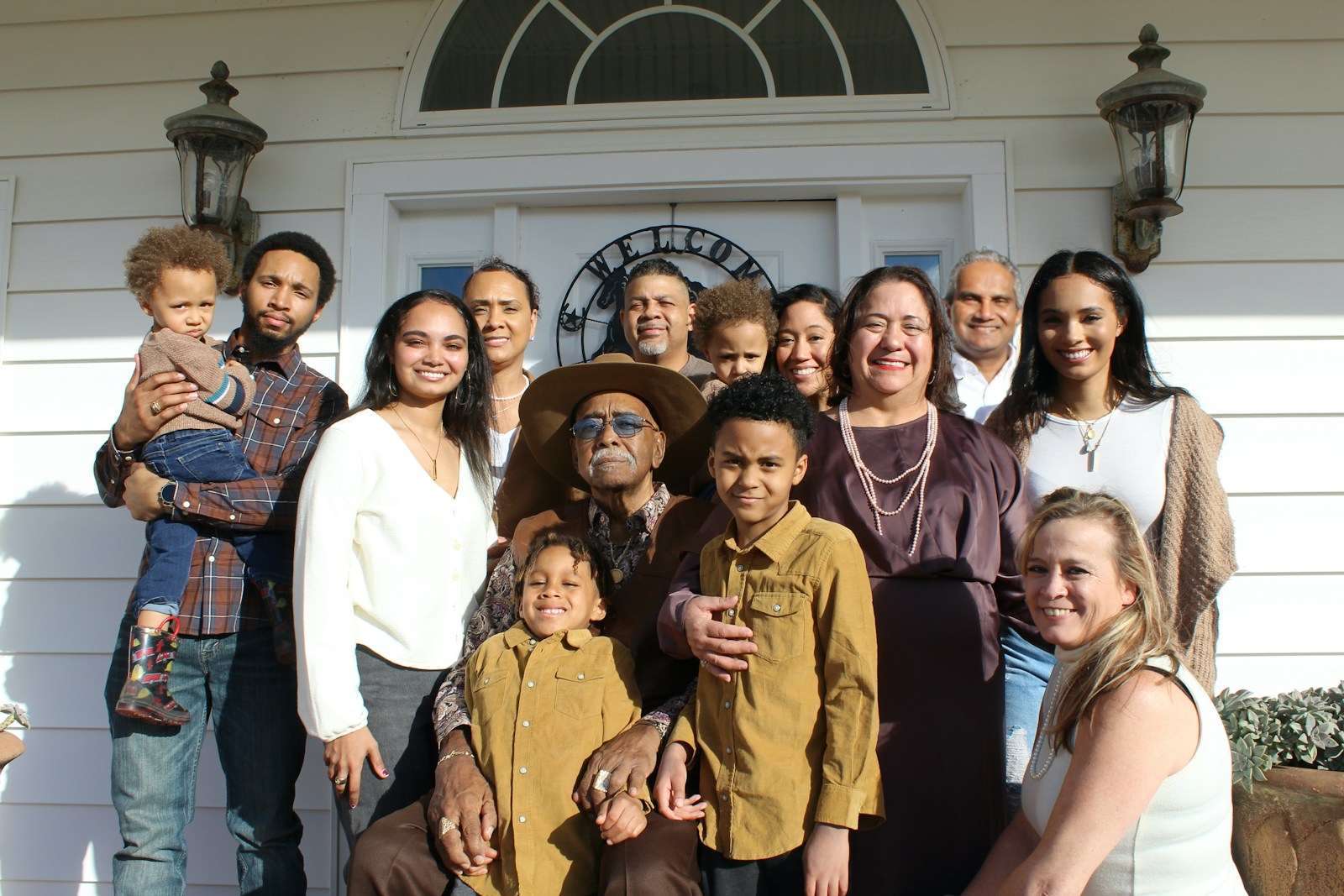
Breaking generational cycles means consciously interrupting harmful patterns and behaviors passed down through families, particularly those impacting mental health. Families often unknowingly perpetuate habits and mindsets that can negatively influence emotional well-being across generations. Addressing and changing these patterns can pave the way for healthier, happier family dynamics.
Generational cycles include behaviors, attitudes, and coping mechanisms that families adopt and repeat over time. These cycles can manifest as untreated mental illness, ineffective communication styles, substance abuse, emotional detachment, or even harmful parenting practices. Recognizing these cycles is the essential first step in breaking free from their influence.
Identifying Unhealthy Patterns
To break harmful generational cycles, it’s crucial to identify the patterns impacting your family’s mental health:
- Observe recurring behaviors and emotional responses.
- Reflect on your upbringing and how past experiences shape your current mindset and actions.
- Open conversations with family members to gain insight into shared experiences and perceptions.
Promoting Healthy Mental Health Practices
1. Open Communication
Encourage honest, safe, and judgment-free conversations within your family. Promote active listening, empathy, and validation of each other’s feelings and experiences. Creating a supportive environment helps each family member feel understood and valued.
2. Education and Awareness
Educate yourself and your family about mental health. Understanding conditions like anxiety, depression, or trauma allows family members to recognize symptoms, seek appropriate help, and approach mental health issues with compassion rather than stigma.
3. Seek Professional Support
Therapy can be instrumental in breaking generational cycles. Family counseling or individual therapy provides tools to manage emotional health, resolve past traumas, and develop healthier coping strategies. Professional support helps families navigate complex emotions and create sustainable positive changes.
4. Model Healthy Behavior
Parents and caregivers significantly influence children’s attitudes toward mental health. Demonstrate positive coping mechanisms such as mindfulness, stress management techniques, and self-care practices. Openly addressing your emotional needs sets a powerful example for future generations.
5. Establish Boundaries
Healthy boundaries protect emotional well-being and promote respectful family relationships. Clearly defined limits around personal space, emotional sharing, and expectations help prevent emotional exhaustion and foster mutual respect within the family.
Sustaining Change for Future Generations
Breaking generational cycles isn’t an overnight process. It requires consistent effort and dedication. Celebrate small victories, remain patient through setbacks, and continuously reinforce positive behaviors and practices. Building healthier mental health practices is a transformative journey, not only benefiting current family members but also establishing a lasting legacy of emotional resilience and well-being for future generations.
By consciously addressing and altering harmful patterns, families can create environments that nurture emotional health, resilience, and understanding, laying a robust foundation for generations to come.