

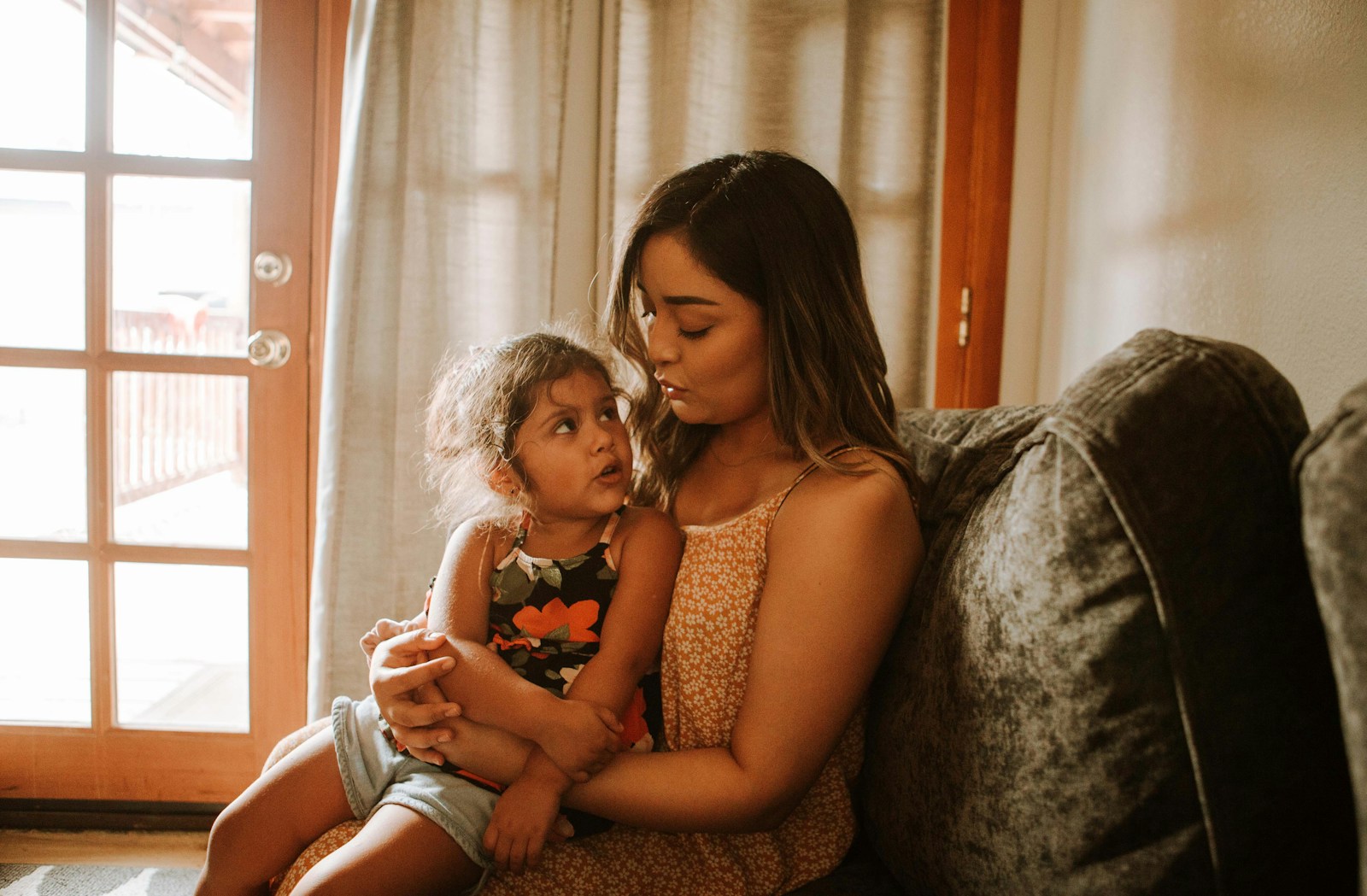
After a baby is born, nearly every conversation begins with the same question: “How is the baby?”
Is the baby sleeping? Is the baby eating enough? Is the baby gaining weight? Are they meeting their milestones? Friends and family come over excited to hold the newest member of the family, and medical appointments often center on the baby’s health and development. All of that care is important, but somewhere in the middle of feeding schedules, diaper changes, laundry, appointments, and sleepless nights, another important question can quietly disappear:
“How is Mom?”
Not the polite version of the question that expects a quick “I’m fine.” Not the version asked while she is washing bottles, folding tiny clothes, or preparing to hand the baby to someone else. The real question is how she is doing physically, mentally, and emotionally after going through pregnancy, childbirth, and the enormous adjustment of caring for a new human being.
Postpartum mental health matters because becoming a mother does not erase a woman’s emotional needs. A new baby may bring love, joy, and excitement, but that does not mean every moment feels joyful. Motherhood can be beautiful and overwhelming at the same time. A mother can be grateful for her baby and still feel sad, anxious, exhausted, disconnected, angry, or unlike herself. Those feelings do not make her unloving or ungrateful. They make her human—and they may be signs that she needs more support.
The Postpartum Period Is a Major Life Transition
People sometimes talk about the postpartum period as though it is simply the few weeks a mother needs to physically recover from giving birth. In reality, the adjustment can last much longer and affect nearly every part of her life. Her body is healing. Her hormones are changing. Her sleep is interrupted. Her routines have been completely reorganized. She may be learning to feed and comfort her baby while also trying to understand a version of herself that suddenly feels unfamiliar.
Even basic tasks can feel different. Taking a shower may require planning. Eating a warm meal may feel like a luxury. Leaving the house can involve packing diapers, wipes, bottles, extra clothes, blankets, and several items she may never actually use. A trip that once took ten minutes can now require an hour of preparation. At the same time, she may be receiving mixed messages from the world around her. She is expected to rest, but she is also expected to keep the baby fed, the house functioning, visitors informed, appointments scheduled, and everyone reassured that she is doing well.
Some mothers are also recovering from difficult births, emergency procedures, premature deliveries, feeding challenges, or unexpected medical complications. Others may be adjusting without consistent help from a partner or family. Some are worried about finances or returning to work. Others are caring for older children while recovering and caring for a newborn. These experiences can create a level of emotional and physical strain that is difficult to understand unless you have lived through it.
This is why postpartum care cannot stop at asking whether an incision is healing or whether bleeding has slowed. A mother’s emotional recovery deserves the same attention as her physical recovery.
When “I’m Just Tired” Is Not the Whole Story
Sleep deprivation is expected with a newborn, which can make it difficult to recognize when something deeper is happening. A mother may tell herself that she is only emotional because she has not slept. Her partner may assume she is irritable because the baby was awake all night. Friends may reassure her that every new mother feels overwhelmed and that things will eventually settle down.
Sometimes they will. Mild mood changes, tearfulness, worry, and irritability—often called the “baby blues”—can occur during the first days after childbirth and usually improve within a couple of weeks. However, symptoms that are intense, last longer, continue to worsen, or interfere with daily functioning may point to postpartum depression, anxiety, or another perinatal mental health condition.
Postpartum depression does not always look like someone crying all day. It may look like feeling emotionally numb while everyone expects you to be happy. It may look like losing interest in things that once helped you feel like yourself. A mother may feel hopeless, guilty, worthless, or convinced that everyone would be better off without her. She might struggle to concentrate, make simple decisions, or complete tasks that once felt manageable.
For another mother, anxiety may be the most noticeable symptom. She may be unable to rest even when the baby is sleeping because her mind is cycling through everything that could go wrong. She might repeatedly check whether the baby is breathing, feel terrified to leave the baby with anyone else, or experience a constant sense of dread that she cannot explain. Her body may feel tense, her heart may race, and even small decisions may feel overwhelming.
Postpartum struggles can also show up as anger or irritability. A mother may find herself snapping at her partner, becoming overwhelmed by ordinary sounds, or feeling sudden rage over things that normally would not bother her. She may feel ashamed afterward and wonder why she cannot control her reactions. Because sadness is the symptom most people associate with postpartum depression, anger and agitation can easily be misunderstood as a personality problem instead of a possible sign of distress.
These experiences deserve attention. A mother should not have to reach a point of complete crisis before her feelings are taken seriously.
Loving Your Baby and Struggling Can Exist at the Same Time
One reason mothers may hesitate to talk about postpartum mental health is the fear of being judged. Motherhood is often presented as a time when a woman should feel completely fulfilled. She may hear comments such as, “Enjoy every minute,” “You wanted this,” or “At least the baby is healthy.” Although these statements may be well-intended, they can make a struggling mother feel as though there is no room for her honest experience.
She may love her baby deeply and still miss her old life. She may feel protective of the baby while also craving time alone. She may be grateful to be a mother and still grieve the freedom, identity, relationships, body, or routines she had before giving birth. She may look at her baby and feel enormous love one moment, then feel disconnected or emotionally flat the next.
Bonding does not always happen instantly. For some parents, connection grows gradually through feeding, holding, comforting, and learning the baby’s cues. Struggling to feel an immediate bond does not mean someone is a bad mother. It may mean she is exhausted, overwhelmed, recovering, or experiencing symptoms that deserve support.
A mother should not have to prove her love by suffering silently. Love and struggle are not opposites. They can exist in the same home, on the same day, and sometimes in the same moment.
The Invisible Pressure to “Bounce Back”
The phrase “bounce back” is often used casually after childbirth, but it can place an unfair burden on new mothers. There may be pressure to return quickly to a previous weight, routine, sex life, work schedule, social life, or level of productivity. People may compliment a mother for looking as though she never had a baby without considering whether she feels emotionally stable, supported, or rested.
But a mother is not a rubber band. She does not simply snap back into her former life. Pregnancy, birth, and parenting change her. Her body may look and feel different. Her priorities may shift. Her relationships may change. Her confidence may fluctuate. She may love who she is becoming while also mourning parts of who she used to be.
Healing does not happen according to other people’s timelines. A mother should not feel pressured to entertain visitors, keep her home spotless, answer every message, return to work before she feels ready, or appear cheerful so other people feel comfortable. Recovery is not a performance.
Sometimes caring for a postpartum mother means reminding her that she does not need to earn rest by completing every chore. It means letting her know that accepting help does not make her incapable. It means making room for the person she is becoming instead of constantly asking when she will return to who she was before.
What Support Actually Looks Like
People often tell new mothers, “Let me know if you need anything.” The offer is kind, but it still leaves the mother responsible for identifying a need, deciding what to ask for, contacting the person, and possibly managing their feelings about the request. When someone is already overwhelmed, even asking for help can feel like one more task.
Practical support is usually more useful when it is specific. Instead of asking whether she needs anything, someone might say, “I’m bringing dinner on Tuesday. Is there anything you do not eat?” A partner can take ownership of washing bottles, restocking diapers, arranging meals, or responding to family updates without waiting to be directed. A trusted friend can hold the baby while Mom showers, naps, attends an appointment, or simply sits alone in a quiet room.
Emotional support matters just as much. A mother may not need someone to immediately fix her feelings or remind her that she should be happy. She may need someone willing to sit with her and say, “That sounds really hard. You do not have to pretend with me.” She may need to hear that other mothers struggle too and that reaching out for support is a responsible decision, not a failure.
Partners and loved ones should also pay attention to changes that the mother may not recognize in herself. Is she becoming increasingly withdrawn? Does she seem unable to sleep even when given the chance? Is she expressing intense guilt, hopelessness, panic, or fear? Does she seem confused, unusually agitated, or disconnected from reality? Loving someone sometimes means gently naming what you are noticing and helping them connect with care instead of waiting for them to ask.
Support should not end after the first few weeks. Many families receive meals, visits, and check-ins immediately after birth, only for that attention to disappear while the mother is still adjusting. Continuing to ask how she is doing several months later can make an enormous difference.
Asking for Help Is Part of Caring for the Baby
Mothers are often encouraged to put the baby first, but supporting a mother’s mental health is also part of supporting the child. When a mother receives appropriate care, she has more opportunity to rest, recover, connect, and participate in family life without carrying the entire emotional burden alone.
Treatment may involve therapy, support groups, medication, changes in practical support, or a combination of approaches. A mother can begin by talking with her obstetrician, primary care provider, therapist, or another qualified health professional. The baby’s pediatrician may also be able to help connect the family with appropriate resources.
Some mothers worry that seeking treatment means they are not capable of parenting. In reality, asking for help demonstrates awareness and care. We would not expect someone to ignore an infection, severe pain, or a physical complication after birth. Emotional symptoms deserve the same seriousness and compassion.
It is also important to remember that treatment is not one-size-fits-all. What helps one mother may not be right for another. A qualified professional can discuss symptoms, personal history, feeding considerations, medical needs, and available treatment options. The goal is not to pressure someone into a particular decision. The goal is to make sure she knows she has options and does not have to navigate them alone.
When Immediate Help Is Needed
Postpartum psychosis is rare, but it is a medical emergency. Signs may include hallucinations, delusions, severe confusion, paranoia, unusual beliefs, rapid changes in mood, or behavior that seems dramatically different from the person’s usual self. Someone experiencing these symptoms may not recognize that anything is wrong, so family members may need to act quickly.
Any thoughts of suicide, self-harm, harming the baby, or feeling unable to keep oneself or the baby safe should also be treated seriously. Do not leave the person alone. Contact emergency services or go to the nearest emergency department. In the United States, call or text 988 for immediate crisis support. Call 911 when there is an immediate danger or medical emergency.
Responding urgently is not an overreaction. It is an act of protection and care.
Caring for Mom Means Seeing the Whole Person
A postpartum mother is more than a feeding schedule, a source of comfort, or the person expected to know what the baby needs. She is a whole person going through one of the most demanding physical and emotional transitions of her life.
She needs food, rest, medical attention, reassurance, time, privacy, connection, and opportunities to feel like herself. She needs people who ask how she is doing and are willing to hear an honest answer. She needs support that does not disappear simply because the baby is healthy or because several weeks have passed.
Caring for Mom may look like encouraging her to rest without making her feel guilty. It may mean reminding her that her emotions are not an inconvenience. It may involve making the appointment, driving her there, sitting beside her, or caring for the baby while she speaks privately with a professional. It may simply mean noticing her.
No mother should have to prove that she is struggling enough to deserve support. She should not have to wait until she is falling apart before someone steps in. Postpartum mental health matters from the beginning, and ongoing care should be treated as an essential part of recovery—not an optional extra.
If you are a new mother and this season feels harder than you expected, you are not failing. You are adjusting, recovering, and carrying more than many people can see. You are allowed to love your baby and need a break. You are allowed to feel grateful and overwhelmed. You are allowed to miss your old life while loving the life you are building.
Most importantly, you are allowed to ask for help.
You do not need to suffer quietly to be considered strong. You do not need to manage everything alone to be considered a good mother. Caring for your mental health is not separate from caring for your family. It is part of it.
The baby matters.
And so does Mom.